MDEFest 2025: Designing Futures, Celebrating Change
A festival about possible futures by our Master in Design for Emergent Future's Students
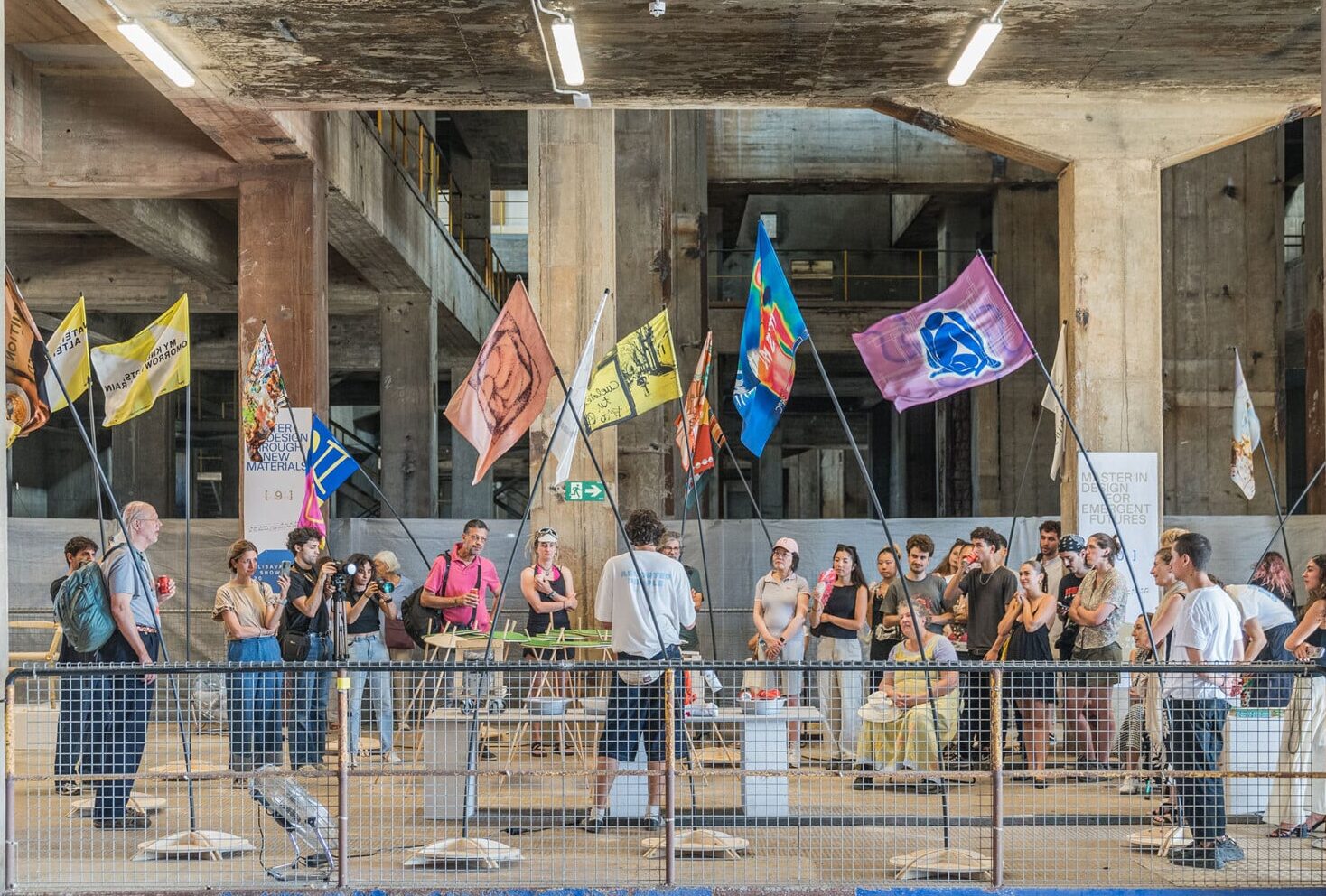
On 19 June 2025, the Master in Design for Emergent Futures (MDEF) hosted the fifth edition of MDEFest, under the title “My knee hurts, tomorrow it will rain.” For a single day, as part of the Elisava Grad Showcase, the industrial grounds of Tres Xemeneies in Sant Adrià de Besòs became a site of rehearsal: for ideas, for conversations, for fragile prototypes of other possible worlds. Students, educators, and collaborators joined in, turning a former power station into a new stage that showed how design can be both a reflective practice and a catalyst for transformation.
MDEFest is not an end-of-year exhibition, but a festival of possible futures. In one day, graduating students open their projects, installations, and live activations to the public, using design to question the present and stage alternative presents. It is where alternative presents are tested, communities are engaged, and speculative worlds come alive. The name of this edition, “My knee hurts, tomorrow it will rain,” reflected both the playfulness and the urgency of the work presented: an acknowledgment of pain and precarity, but also a reminder that new patterns and new possibilities can be anticipated, sensed, and designed.
Six Clusters, Six Journeys
This year’s edition unfolded through six thematic clusters, each probing urgent questions of our time through diverse media, methods, and practices:
- My knee hurts, tomorrow it will matter more: Reimagining the agency of materials beyond products. Projects such as Materialchemy by Belén Comotto, Material Dialogue by Maria Vittoria Colombo, and Poly:eutopia by Paula Rydel explored materiality as process and conversation, rather than outcome.
- My knee hurts, tomorrow we will stand again: Questioning consumerism and proposing second lives for objects. Works like Darned Circuits by Lucretia Field and WalkBack by Auxence Daillen asked what stories emerge when we repair, reuse, and rethink the role of everyday artifacts.
- My knee hurts, tomorrow my body will tell: Exploring embodiment, health, and microbial ecologies. From Sweat Matters by Javier Serra to The Secret Life of Our Gut by Kevin Enriquez, these projects foregrounded the body as a site of intelligence, resilience, and connection.
- My knee hurts, tomorrow we will lose common sense: Hands-on activities that challenged systemic norms and encouraged collective play. Activations like Cancel~lat by Ramon Prat, Nex(t)o by Flavio Grimaldi, and Chop by Maximilian Becht invited participants to question social, political, and technological frameworks by engaging directly in creative disruption.
- My knee hurts, tomorrow we will know: Investigating community-driven technologies and knowledge systems. Local AI Workshop by Marius Schairer and Machines of Care by Dhrishya Ramadass asked how communities can co-create tools and infrastructures that are transparent, local, and supportive rather than extractive.
- My knee hurts, tomorrow we will shift the story: Interactive explorations of perception and interaction. Projects such as AURIS by Manuja Agnihotri and ArsPostFaber by Jorge Muñoz used sound, gesture, and movement to reimagine how humans sense, narrate, and share their worlds.
Beyond the Showcase
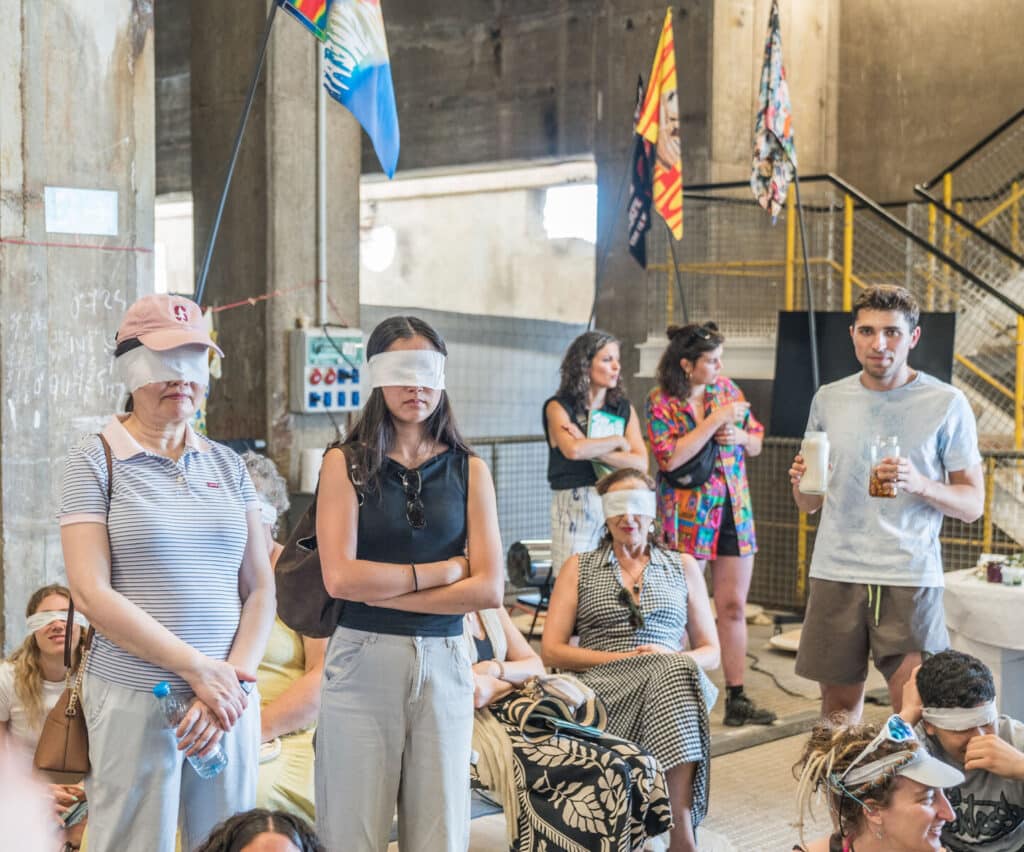
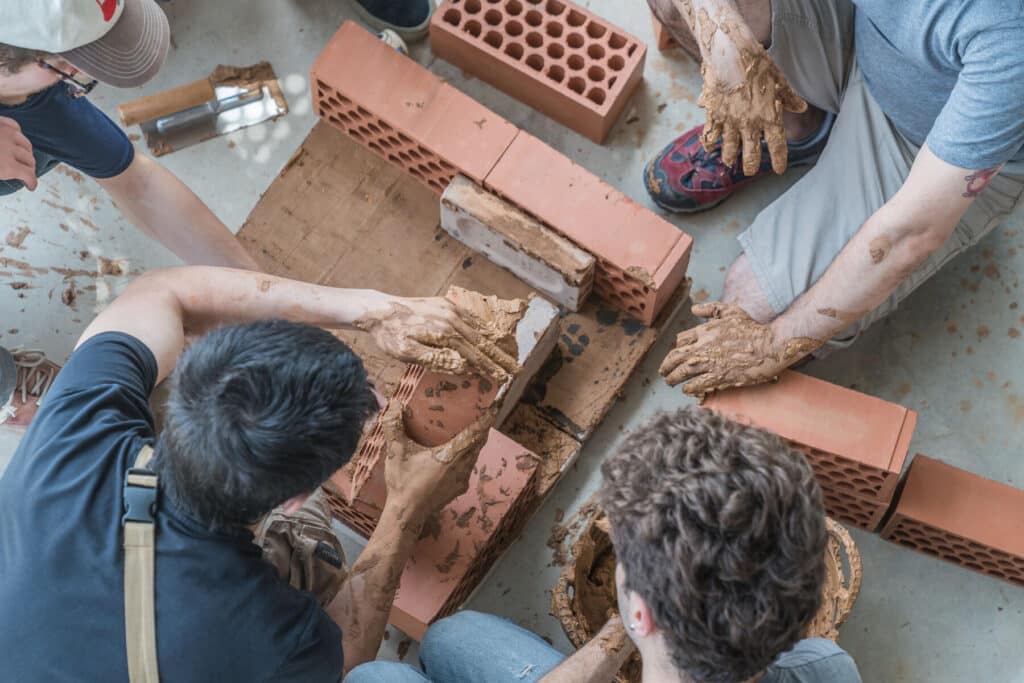
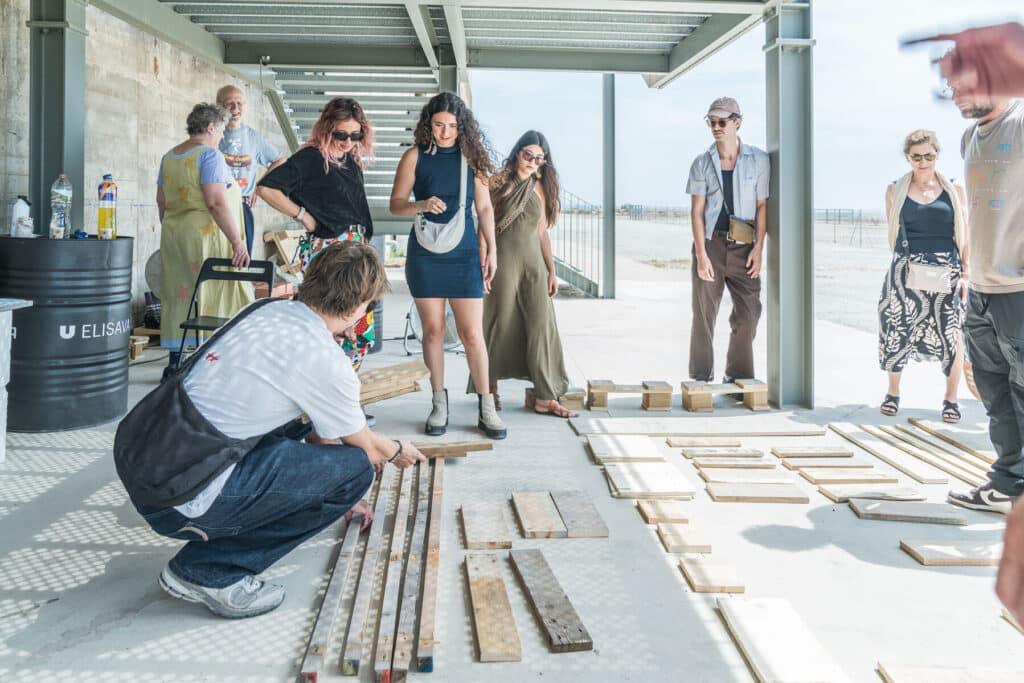
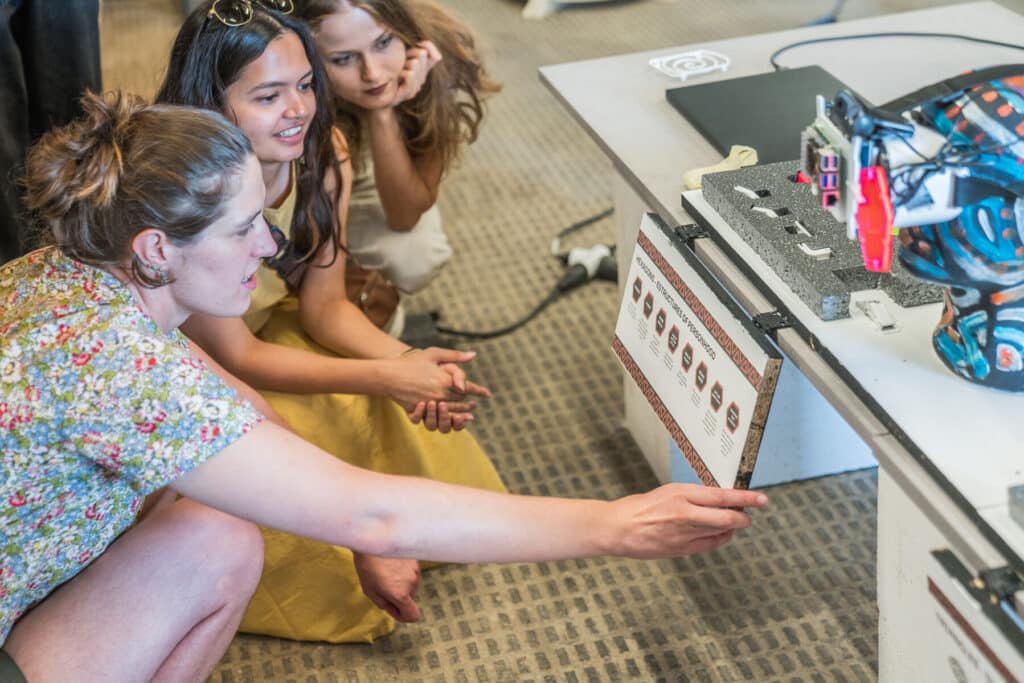
The festival was not only about displaying work — it was about building an environment where dialogue and participation mattered as much as outcomes. Visitors were invited to experiment, play, and engage directly with the projects. In doing so, they became co-authors of the experience, embodying MDEF’s approach to design as an open and collective process.
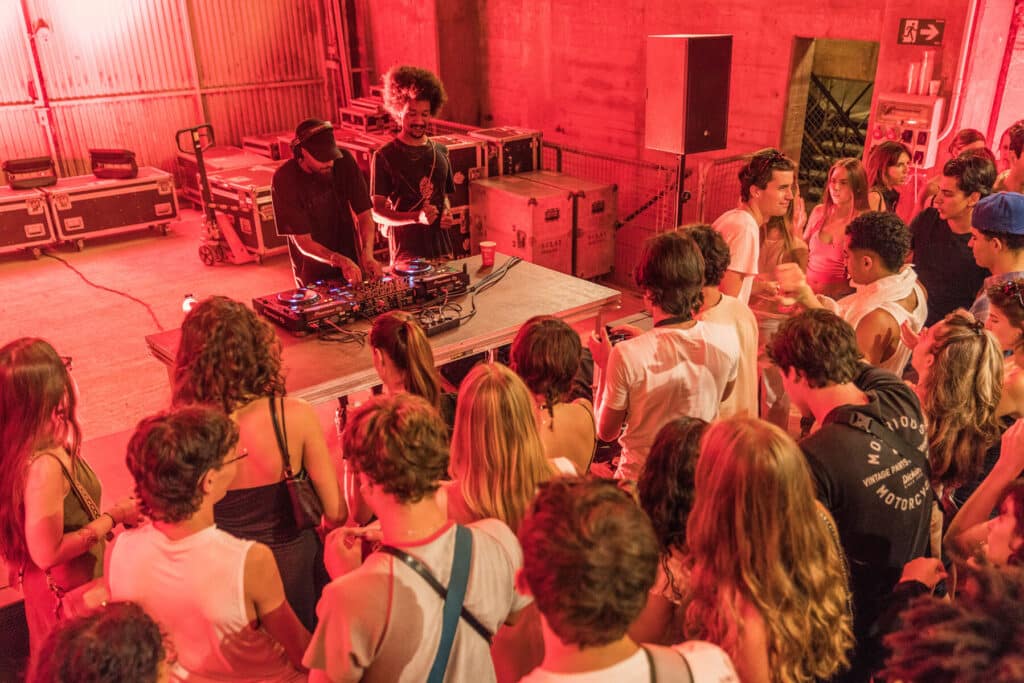
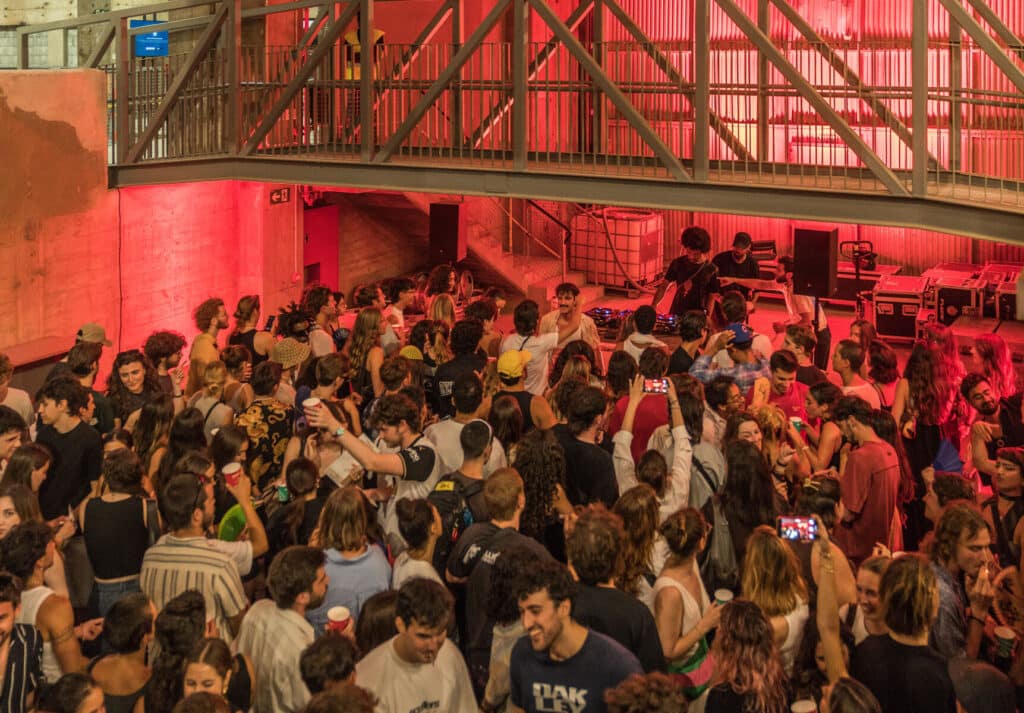
As evening fell, MDEFest shifted into celebration mode. The closing party — with DJs, food trucks, and a special live performance by the Jokkoo Collective — turned Tres Xemeneies into a space of joy and community. The gathering emphasized that while futures design deals with complex challenges, it also carries the promise of creativity, solidarity, and cultural vibrancy.
Futures Prototyped, Communities Engaged
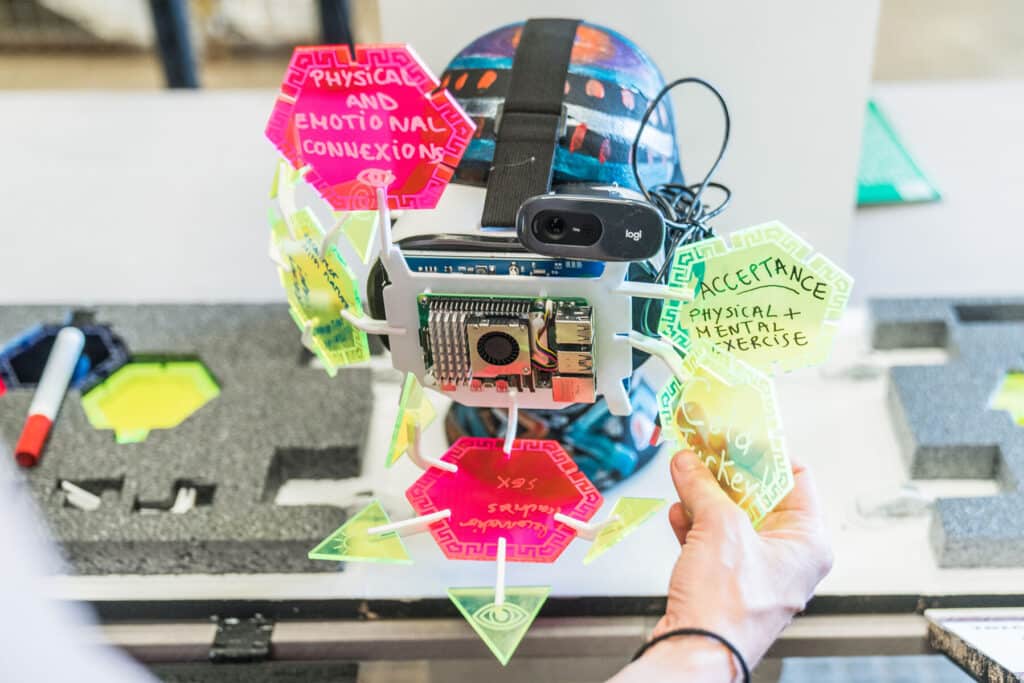
The projects presented during MDEFest 2025 embodied the program’s ethos: design as a vehicle for social, ecological, and cultural transformation. Students tackled issues ranging from material innovation to artificial intelligence, from collective rituals to embodied practices. Together, they offered not only glimpses of possible futures but also tangible tools, experiences, and provocations that audiences could carry with them.
As one of the highlights of the MDEF academic calendar, the festival also acts as a bridge between cohorts, communities, and institutions — amplifying the voices of young designers who dare to ask: how do we design for the Anthropocene? It underscored the importance of future literacy and reminded us that futures are not abstract, but are constantly being shaped by our actions, narratives, and relationships in the present.
Looking Ahead: MDEF 2025–26
With MDEFest marking the close of the academic year 2024–25, we now look forward to the start of the new academic year on October 1st, 2025. A new cohort of students will join Fab Lab Barcelona and IAAC to embark on their journey of design experimentation, systems thinking, and futures prototyping. They will bring their diverse backgrounds and aspirations to enrich the community, continuing the tradition of questioning, prototyping, and reimagining the worlds we inhabit.
MDEFest 2025 reminded us that the challenges we face — ecological, technological, social — demand not only solutions but new imaginaries. And this is precisely what MDEF nurtures: a community of practitioners equipped with the tools, mindsets, and courage to design for transformation.