
Learning through making: Four perspectives on the MDEF research trip to Senegal
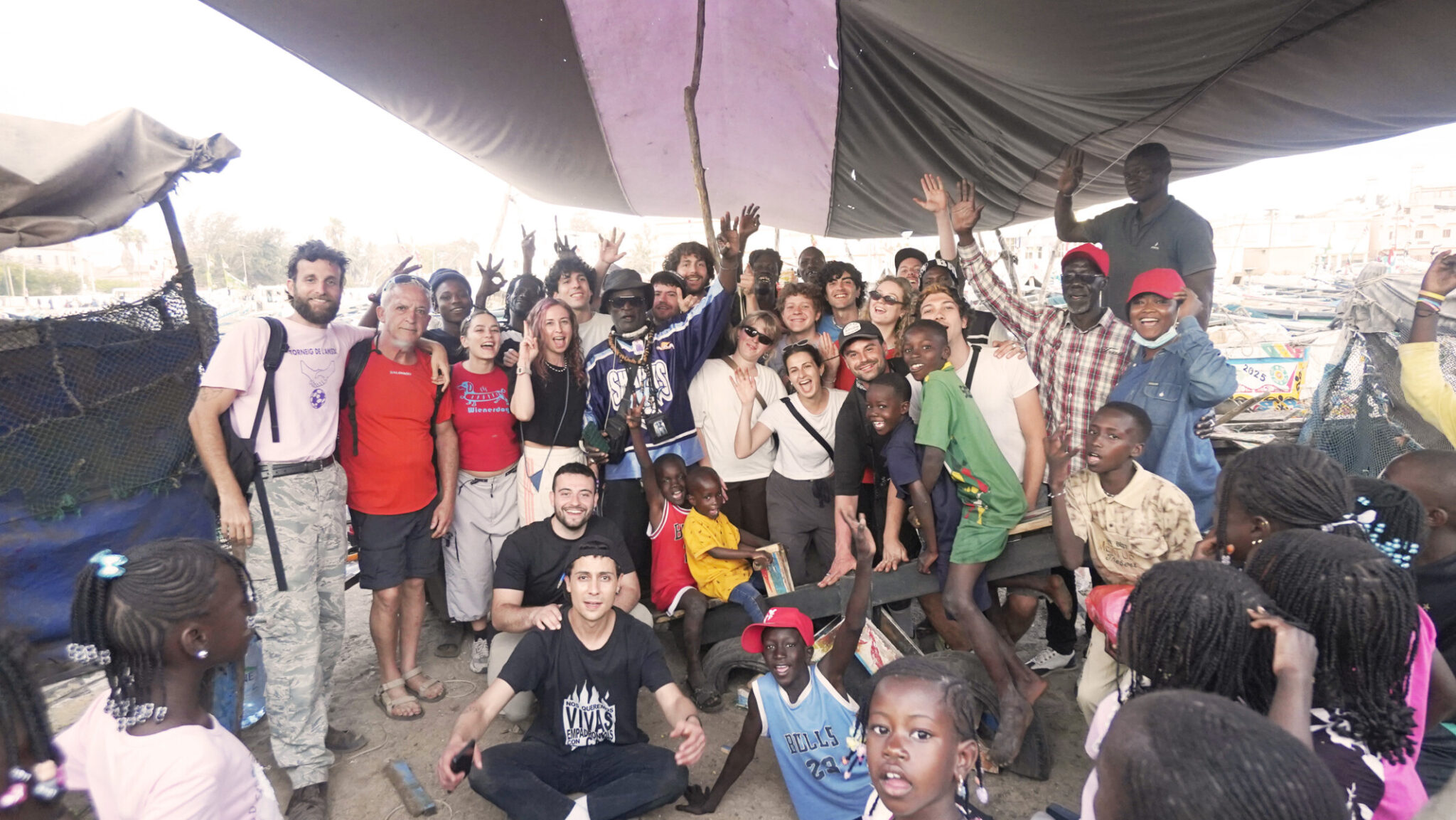
In March 2026, first and second-year students from the Master in Design for Emergent Futures (MDEF) travelled to Senegal for ten days of situated research, workshops and encounters with local communities and practitioners.
From building relationships through collective making to exploring local materials and techniques, four short films capture how the Master in Design for Emergent Futures puts its design methodology into practice.
In March 2026, first and second-year students from the Master in Design for Emergent Futures (MDEF) travelled to Senegal for ten days of situated research, workshops and encounters with local communities and practitioners. Moving across different territories, from Saint-Louis to Gandiol and Edioungou in Casamance, they explored how making, repairing and sharing knowledge are embedded in everyday life.
The trip offered an opportunity to step outside familiar environments, learn from different ways of understanding and transforming the world, and question what design can become when it starts from existing practices, materials and relationships.
Now, four short videos revisit some of these experiences. Rather than simply documenting the activities, each film highlights a different aspect of the MDEF learning methodology: connecting through making, learning from context, learning through immersion and discovering knowledge through shared craft practices.
Together, they offer a glimpse into how the values of the programme extend beyond the classroom and shape the way students approach research, experimentation and collaboration.
01. Hahatay – Straw and Mud Sculpture
Connecting through making
Projects are an excuse to build human connections.
In Gandiol, students worked alongside Hahatay, a local association that develops community and cultural initiatives, to create a collective sculpture using straw and mud. The activity became an opportunity to share techniques, exchange perspectives and learn through the process of making something together.
For MDEF, design is not only about producing objects or proposing solutions. It is also about creating situations in which people can meet, collaborate and generate knowledge collectively. Making becomes a common language, opening up possibilities for relationships that go beyond the project itself.
This experience reflects one of the programme’s central values: collaboration as a way of producing knowledge. By working with others, students discover different perspectives and understand that the process of designing can be just as meaningful as the outcome.
02. Fishermen – Wood Furniture
Learning from context
Start by listening and observing.
In Saint-Louis, students collaborated with local fishermen to transform reclaimed wood from decommissioned boats into small pieces of furniture. Working with materials already available in the neighbourhood, they explored how existing resources, local craftsmanship and community knowledge can inform new design possibilities.
The experience encouraged students to look beyond the object they were making and understand the wider context in which it would exist: the people, their everyday practices, the available resources and the conditions shaping the place.
This is what MDEF means by situated research: understanding a context before intervening in it. Rather than imposing an external solution, students learn to recognise existing knowledge and capabilities, and to design with people rather than simply for them.
03. Poterie – Clay Pottery
Learning through immersion
Follow the material from its source.
In Edioungou, Casamance, students joined local women potters to experience the complete process of pottery making. From travelling by pirogue to collect clay from the river to preparing, shaping and firing the pieces using traditional techniques, they followed the material through its different transformations.
Learning happened through direct participation: observing, asking questions, trying techniques and exchanging practices with the people who work with these materials every day.
At MDEF, experimentation is a fundamental way of understanding the world. Students are encouraged to engage with materials directly, explore their properties and discover what they can do through hands-on processes. This experience also highlights the importance of learning from knowledge that is often transmitted through practice rather than formal instruction.
By getting involved in the entire process, students developed a more embodied understanding of the relationship between materials, techniques, people and their environment.
04. Welding – Metal Sculptures
Learning from local knowledge and craft
Make the most of what is already there.
Also in Saint-Louis, students worked with local artist Maisa to explore metalworking and welding, transforming discarded metal pieces, particularly bicycle parts, into sculptural objects.
Through this hands-on process, they encountered a different approach to material transformation, where repair, reuse and improvisation become creative resources. Working alongside a local practitioner allowed students to learn directly from existing skills and techniques, while experimenting with their own ideas.
This reflects another important dimension of the MDEF methodology: making as a way of thinking and discovering. Students are encouraged to work with what is available, test possibilities, learn from constraints and develop new approaches through experimentation.
Beyond the research trip: A way of learning that continues
The four videos capture specific moments in Senegal, but the approaches they represent are not exclusive to the research trip. They are embedded in the everyday methodology of the Master in Design for Emergent Futures.
The programme is structured around four interconnected modules: Situate, Explore, Build and Reflect. Students begin by engaging with real contexts, observing and listening to understand the people, infrastructures, materials and relationships already at work. They then open up possibilities through experimentation, bringing different technologies, practices and forms of knowledge into conversation. Through making and prototyping, they turn ideas into material experiences that can be tested, questioned and transformed. Finally, they reflect on what these processes reveal, what assumptions they challenge and what could happen next.
The research trip brings these principles into a different setting. It invites students to step outside familiar ways of working, encounter forms of knowledge they might not otherwise access, and reconsider their own position as designers.
At MDEF, we believe that making is one of the ways we think. Learning happens through encounters, experimentation, collaboration and the willingness to question what we already know. Whether working with local craftspeople in Senegal, exploring emerging technologies in the Fab Lab or developing interventions in Barcelona, students are encouraged to understand existing systems and prototype alternative ways of doing things.
The aim is not simply to learn new techniques or produce finished objects. It is to develop a practice: one that connects different forms of knowledge, takes context seriously and uses design to challenge the way things work today.
Discover the Master in Design for Emergent Futures: Explore MDEF
Read more about the research trip: MDEF Research Trip 2026: Senegal