Looking Back: A Reflection at the End of the DAFNE+ Project.
Shifting from Web3 to critical engagement, focused on education, community building, and a balanced view of both the opportunities and risks of these technologies
Looking Back: A Reflection at the End of the DAFNE+ Project.
As the DAFNE+ project wraps up, it’s a good time to reflect, not only on lessons learned, people met, and opportunities created, but also on how much the world have changed since the beginning.
When DAFNE+ was first written, the project was built around emerging technologies like blockchain, NFTs, smart contracts, and DAOs (Decentralized Autonomous Organizations: online communities that make collective decisions). They were new, full of promise, and creating a lot of excitement. At that time, people talked about them as the future of digital ownership, alternative economic models for creatives and new ways to empower communities.
Big brands were launching NFT campaigns, investors were interested into Web3 startups, and blockchain-based solutions were seen as the foundation for a more open, decentralized internet. Smart contracts were seen as tools to automate agreements without intermediaries, and DAOs were promoted as new, democratic forms of governance.
This was the spirit in which DAFNE+ took shape: a European collaboration with 10 partners aimed at supporting artists and creative professionals by building a fairer, decentralized platform for content creation and distribution. The project aimed to explore how these tools could help creative practitioners to access new forms of revenue, retain control over their work, and collaborate digitally.
However, by late 2022, the mood around these technologies started to change. The crypto market crashed, several high-profile projects failed or turned out to be scams. Many users lost money, and public trust declined and led to a wave of skepticism. New regulations were implemented to protect users and reduce risks around crypto assets, NFTs, and related services. As a result, the excitement cooled.
This changing landscape presented clear challenges for the project. The consortium had to adapt its approach by focusing less on hype and more on critical engagement, education, and community building. Rather than simply promoting new technologies, DAFNE+ sought to foster a deeper understanding of their real-world potential and limitations. This meant embracing a more cautious and reflective mindset by acknowledging the risks and complexities while still exploring meaningful uses for these tools.
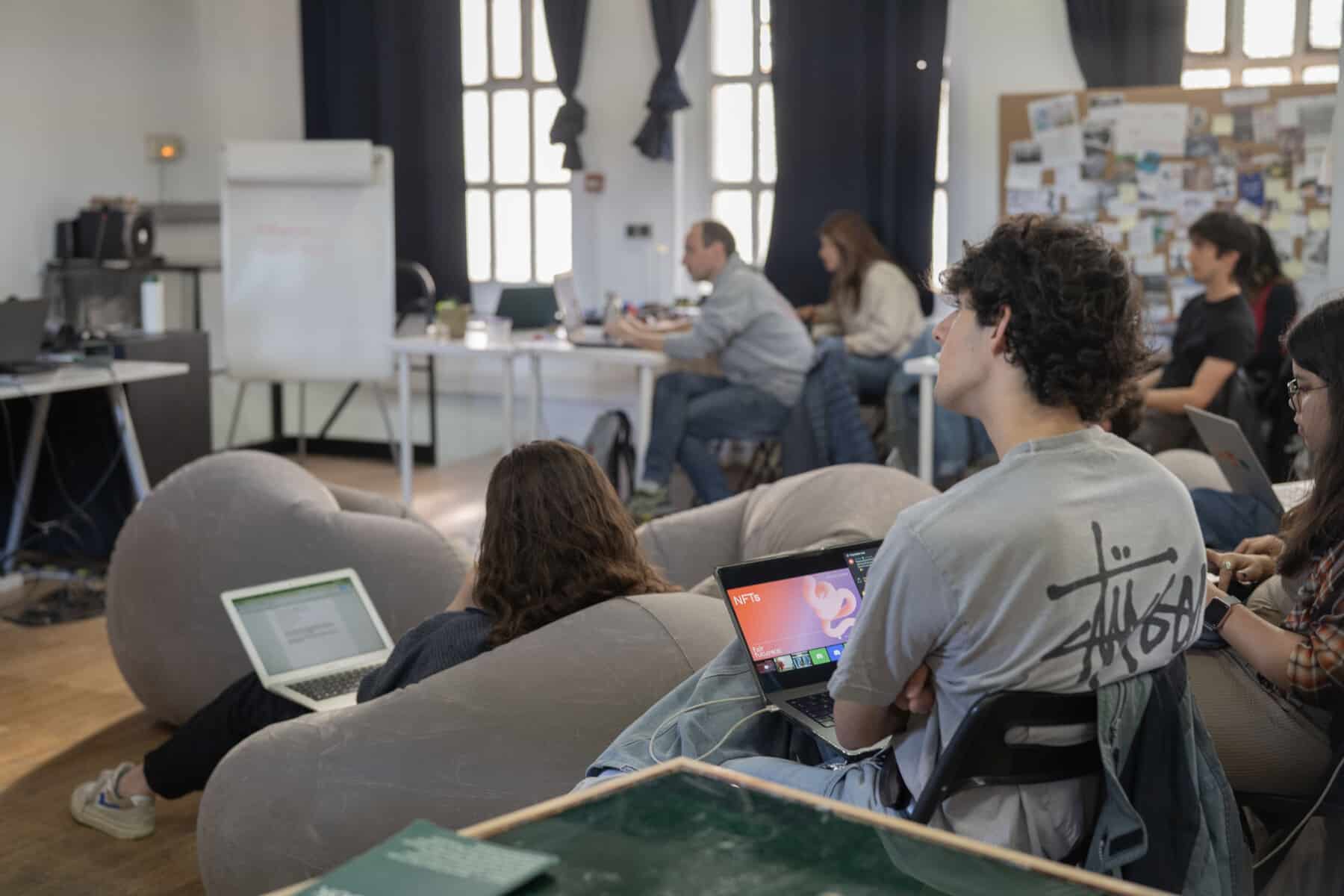
Within this framework, shifts aren’t necessarily bad. As discussed throughout the time of the project within the consortium, they are part of how new technologies mature. Over the course of four years, we developed a series of lectures, events, and workshops to explore the challenges of our time. We collaborated closely with our students from the Master in Design for Emergent Futures and focused on alternative futures and collective intelligence as tools to critically examine these technologies, from their initial concepts and ambitions to their real-world implementation and potential.
DAFNE+ was and has proven to be a really important testing ground for this shared learning journey.
Some of the most tangible results of this experimentation helped test how emerging technologies could be used in real creative contexts. For instance, IRCAM explored how decentralized tools could support complex creative works like live electroacoustic music—often reliant on software that quickly becomes obsolete. They proposed a framework to help preserve and share these works over time, ensuring that they remain performable and accessible long into the future through decentralized infrastructure like a DAO.
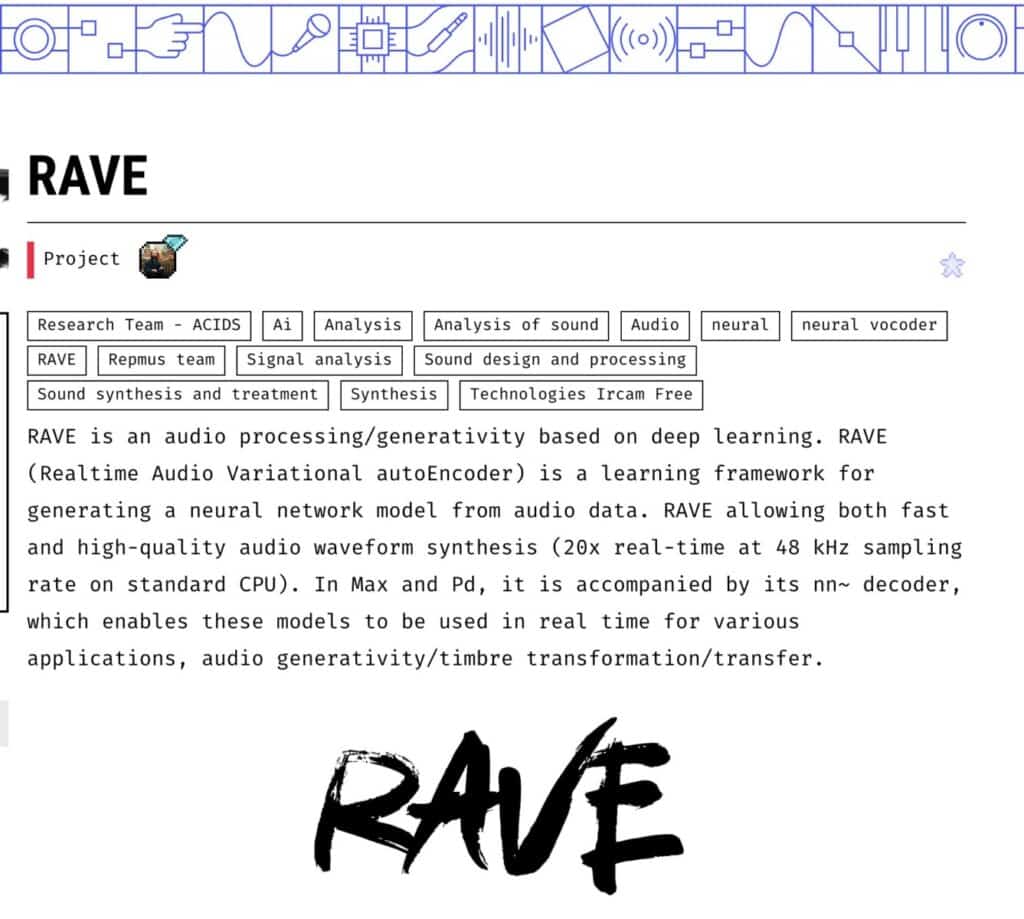
IRCAM also developed RAVE (Realtime Audio Variational autoEncoder), a tool that allows for real-time, high-quality sound synthesis using AI. Built for composers and sound artists, RAVE supports live audio processing and creative experimentation, helping sustain and evolve digital art forms in an accessible and forward-looking way.
Meanwhile, other partners focused on governance innovation. The DAFNE+ DAO model was inspired by the idea of platform cooperativism, envisioning a platform collectively owned and shaped by its users. This governance structure empowers community members to submit proposals, vote on new features or projects, and participate directly in decision-making.
The system is built on direct democracy principles, using soulbound tokens and on-chain voting to ensure fairness and transparency in how resources and revenue are distributed. This model embodies our commitment not just to developing tools, but to creating inclusive, community-driven structures for creative collaboration (Full details will be published on the FabCity Foundation Knowledge Hub).
In parallel to these research-led initiatives by our consortium partners, we at Fab Lab Barcelona led a series of activities that helped us grow as a team and as a community. These highlights reflect our commitment to critical engagement, co-creation, and shared learning throughout the project.
In January 2024 and January 2025, we co-hosted two international Creative Jams together with the School of Digital Arts at Manchester Metropolitan University (SODA). These events invited students to explore how Web3 tools such as blockchain, DAOs, and NFTs are evolving and how they can be critically engaged with in response to the complex social, technological, and environmental challenges of our time.
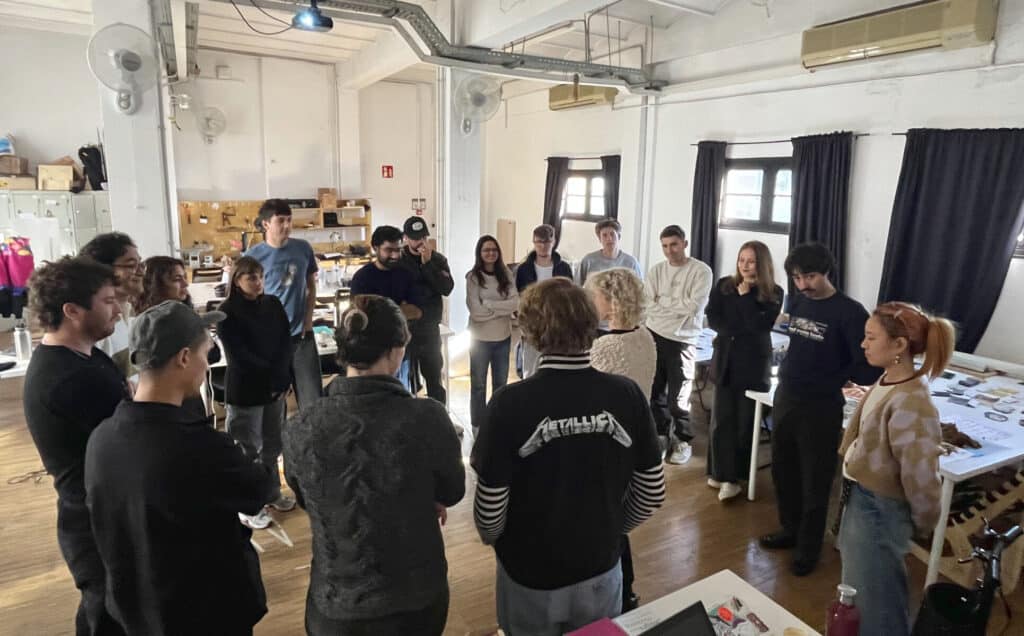
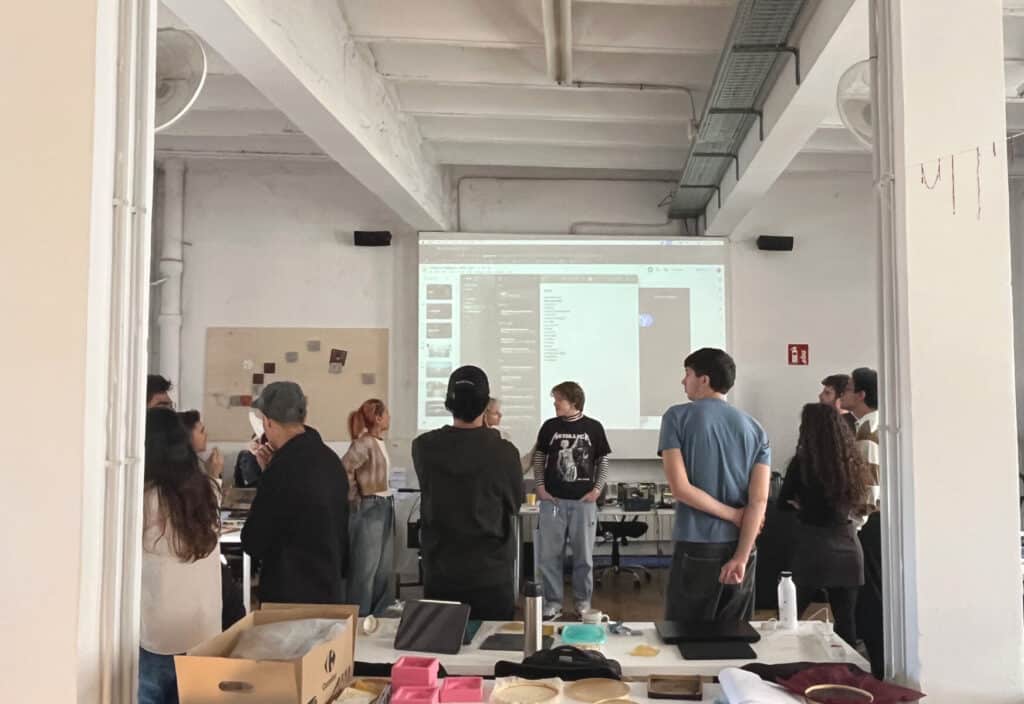
The first edition, Fair Future(s): Designing with Collective Intelligence, took place in 2024. It brought together students from the from the Fab Lab Barcelona’s Master in Design for Emerging Futures and Manchester for four days of talks, workshops, and speculative design sessions. Working locally and exchanging between international teams, they explored themes such as blockchain, DAOs, NFTs, and collective creativity. Their projects were later uploaded to the DAFNE+ platform as NFTs, opening up reflections on digital ownership, distribution, and value creation. You can find a deeper dive into this experience in our earlier blogpost and watch the YouTube video!
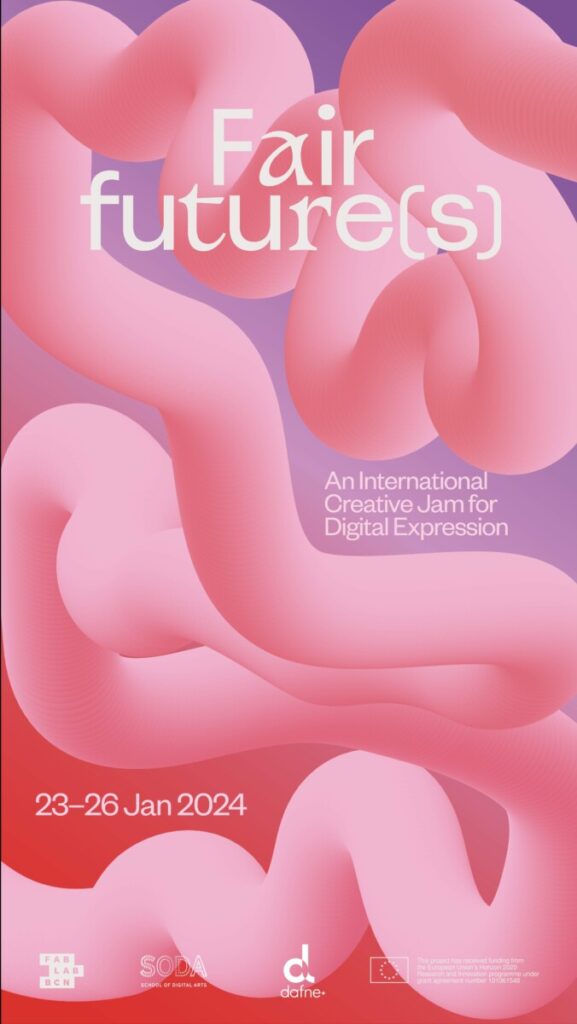
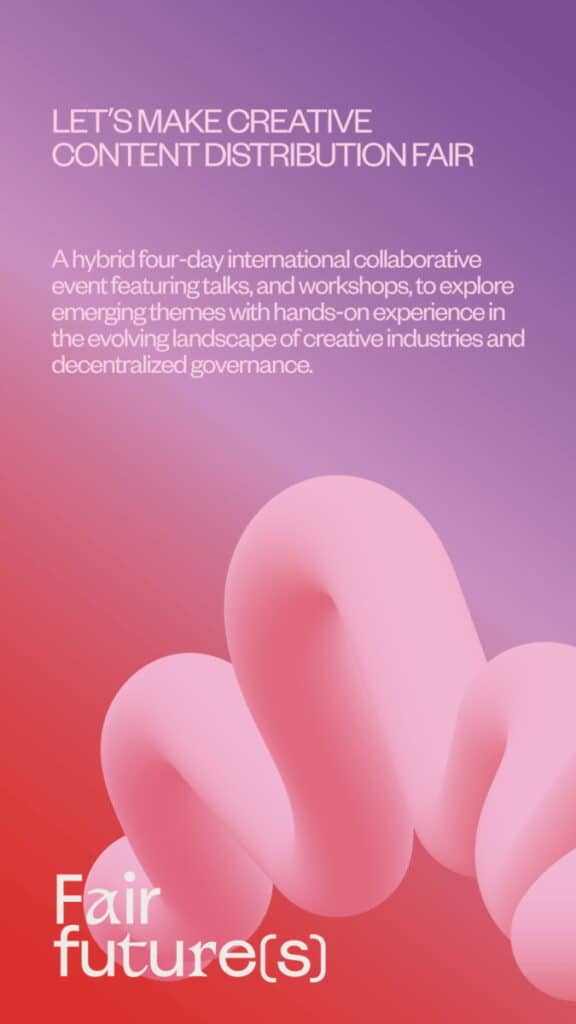
In 2025, the collaboration continued with the Collective Intelligence Seminar. This three-day program invited students to explore the commons, decentralised collaboration, and fair remuneration through lectures, case studies, and a hybrid game simulating decision-making in a DAO. The seminar helped students better understand the values behind these systems while encouraging critical thinking about how such technologies might support more inclusive and resilient creative practices. More details from the seminar are available in our follow-up blogpost.
Together, these Creative Jams formed a meaningful learning process based on curiosity, experimentation, and collaboration. Through them, DAFNE+ became more than a digital platform, it became a space to imagine how creative communities might grow and work differently in the future.
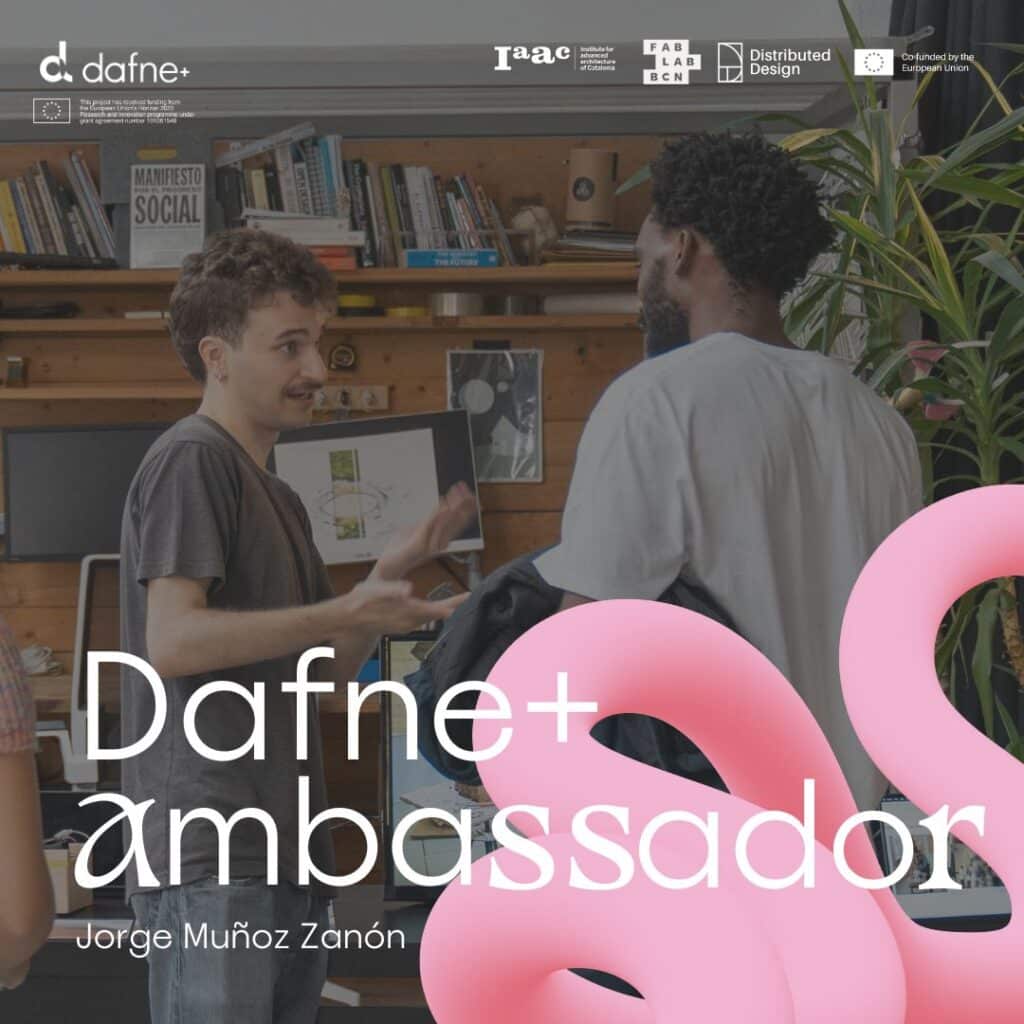
Among the other success stories from this project journey, we are especially proud of former MDEF student Jorge Muñoz Zanón. Jorge first engaged with the project during his first year of the Master’s programme, participating in Creative Jam 2024. His interests brought him to be more involved over time, finally being appointed in his active role as a DAFNE+ Ambassador.
As a DAFNE+ Ambassador, he led a workshop that received the special mention at CraftInnova in December 2024 called AI.RTISANSHIP: Nuevos métodos de aprendizaje artesano en la 4ª revolución industrial. The workshop was based on research he recently presented at the international FAB25 event in Czechia, through a paper titled Embodied Knowledge in Digital Spaces: Towards Human-Centered Fabrication Formats. His work makes a valuable contribution both locally and on the international stage. Learn more about his projects and read about his experience as an ambassador.
We expanded our outreach beyond our community through a collaboration with the Goethe-Institut Lisbon and strengthened our shared vision as a consortium by co-hosting with with SODA the DAFNE+ Blockchain and NFT Partner Symposium, an event that brought together consortium partners and external experts to explore research and creative applications of emerging technologies. This initiative helped broaden the project’s visibility and relevance across disciplines and sectors.
In the final phase of the project, after the platform’s full release, we invited experts from our network to join a special session with the goal of encouraging direct collaboration between users and consortium partners. The aim was to gather honest, hands-on feedback and not only technical input, but insights from professionals deeply involved in the designer-maker community. We saw it as an opportunity to seek active contributions from voices that truly mattered. We wanted to understand not only what worked and what didn’t, but also what could be improved.
This kind of open dialogue is often been identified as missing, so we made it a priority throughout our activities by inviting technical partners to better understand our community. Developers wanted to better understand the people they were designing for, and users wanted to feel heard and involved in the process. This session helped bring both sides closer once again. By bringing them together, we helped close that gap and created a space where real needs were heard, making it a valuable moment of exchange.
This year at FAB25 Czechia, our director Guillem Camprodon represented DAFNE+, wrapping up the project on one of the most established international stage for makers.
You can explore more about the DAFNE+ project in our previous blog posts shared over the past years.
FAIR FUTURE(S): DESIGNING WITH COLLECTIVE INTELLIGENCE
MY EXPERIENCE AS DAFNE+ AMBASSADOR