
Sensor-Enhanced Housing Surveys
Advancing research on fuel poverty, extreme heat, and human health through smart indoor sensing technologies.
Area
Sense Making
Type of Project
Providing sensor solutions for professionals and researchers
The Goal
The Sensor-Enhanced Housing Survey project, led by the Urban Sensing team at the Urban Big Data Centre (UBDC) at the University of Glasgow, addresses the pressing challenge of understanding how indoor environmental conditions affect human health, fuel poverty, and relate to energy use in urban areas.
With individuals spending over 80% of their time indoors, the conditions within homes—especially during extreme weather—can have significant physical, mental, and financial consequences. Poor insulation and inefficient housing infrastructure increase vulnerability to heatwaves, cold snaps, and damp conditions, which are often not captured in traditional surveys.
The project used Smart Citizen devices to collect data and integrate it with social and energy variables to assess the interrelation between these factors. The team at the Urban Big Data Center created a framework for large-scale indoor environment studies, which is now set to be replicated in other locations. This project builds the evidence base for interventions that support the needs to address housing conditions, in particular for vulnerable populations in the face of a changing climate.
Our Solution
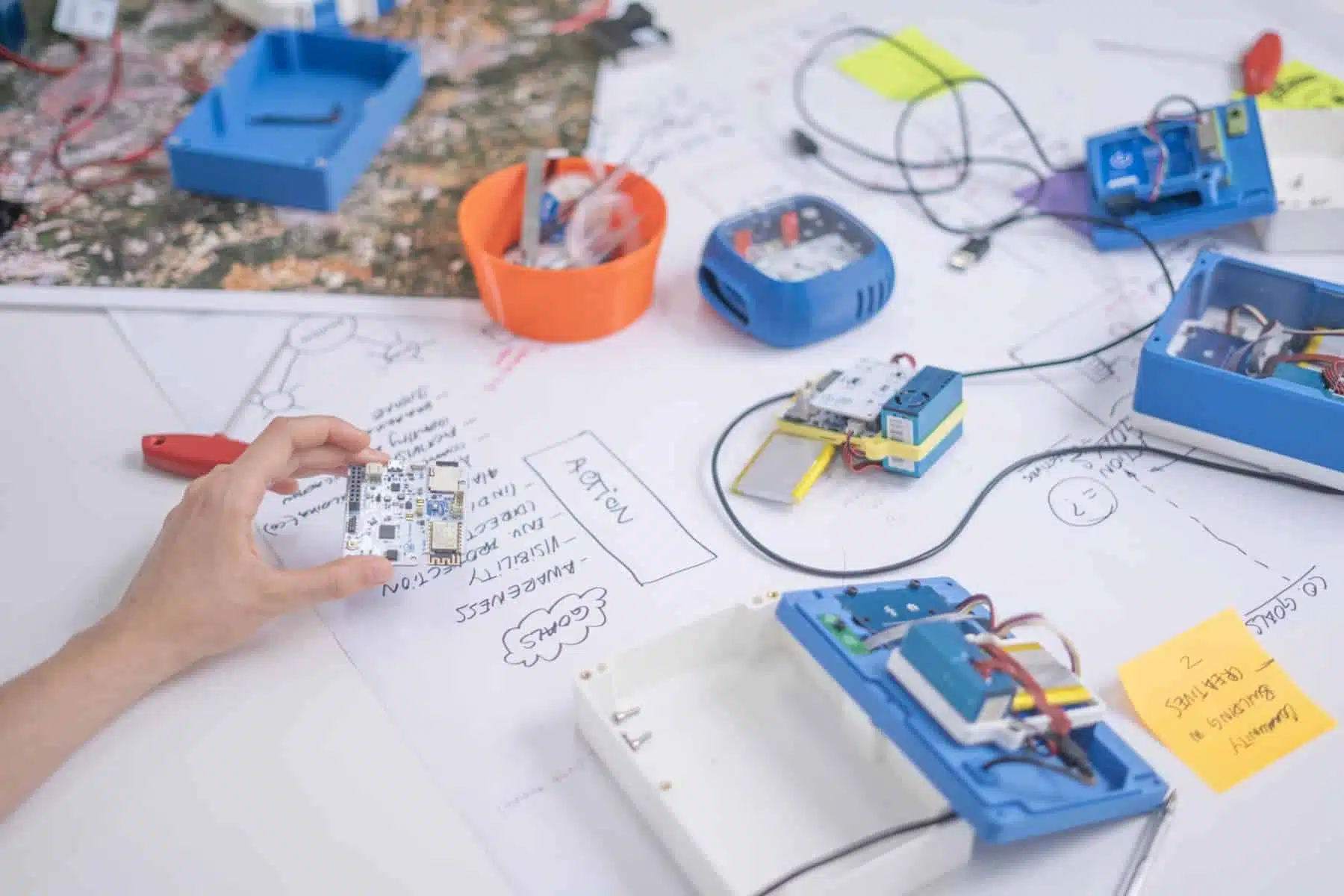
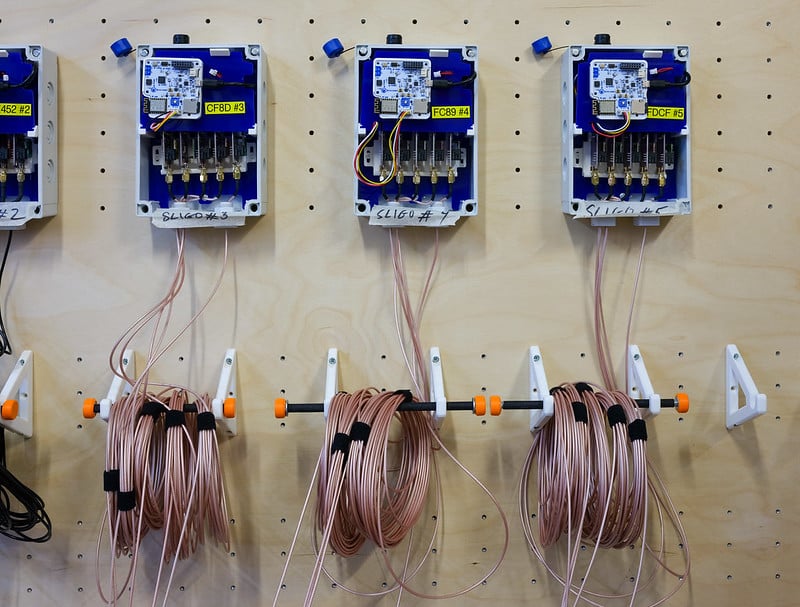
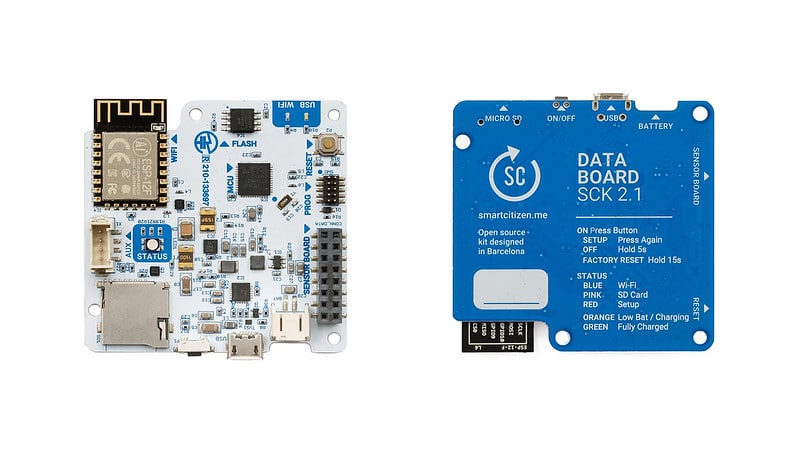
UBDC’s project deployed affordable, easy-to-install sensors in residential settings. After sampling a number of low-cost devices, they ultimately determined that Smart Citizen sensors were the best fit for the needs of the project when considering the metrics measured, the reliability of data, and the ease of installation and use.
Initial pilots in 2021 explored sensor types, validation methods, and logistics for installation and retrieval. This groundwork informed a subsequent project in 2023, funded by The Bureau of Investigative Journalism (TBIJ), which installed Smart Citizen sensors in 40 homes in Southwark, London during a summer heatwave.
The sensors monitored air temperature, humidity, light, sound, and air quality. Data was then cross-referenced with social surveys and interviews to better understand behavioural responses and housing conditions during extreme heat.
In 2024, this work scaled nationally through a collaboration with UCL’s Energy Demand Observatory and the Understanding Society Innovation Panel. The team deployed sensors and smart meters in 200 representative UK households, linking this data to existing socio-demographic and building performance datasets.
Technologies used
Indoor environment monitors: Temperature, humidity, sound, light, and particulate matter sensors
Impact & Outcomes
- Sensor deployment in ~200 representative households, mapping indoor environmental conditions
- Successful Integration of environmental data collected through Smart Citizen monitors, along with energy and survey data to explore health impacts by UBDC team
What’s Next
The upcoming national study will offer one of the most comprehensive datasets on indoor environments in the UK, with findings supporting interventions in building regulation, energy efficiency and public health. The team also aims to develop early warning systems and mitigation strategies to protect at-risk populations from extreme indoor temperatures based on data collected using Smart Citizen sensors.
Who is it for?
- Public health professionals studying the effects of indoor environments on well-being
- Researchers interested in multidisciplinary approaches to sensing and social science
Project Team
Óscar González. Sense Making Lead, Fab Lab Barcelona
Adai Suriñach. Digital Fabrication Expert
Rebecca Anne Peters. Sense Making Technician
Partners

Additional Resources
Publications
Ou, Y., Hu, C., & Zhao, Q. (2024, April 10). Investigating the Impact of Housing Energy Efficiency on Indoor Environment at the Overheating Summer – A Study in Southwark, London. 32nd Annual Geographical Information Science Research UK (GISRUK), Leeds, United Kingdom. https://doi.org/10.5281/zenodo.10926876
Sun, M., Pan, J., Zhao, Q., & Bardhan, R. (2025). Heat Stress Dichotomy: Long-term Adaptation and Acute Shock in London Domestic Environments. OSF. https://doi.org/10.31219/osf.io/ukv8f_v1
Project Details
Read more about the project research methods: https://www.understandingsociety.ac.uk/participants/projects/sensor/
View open data and analysis: https://github.com/qszhao/SensorEnhancedSurveyHeatInvestigation
Want to learn more about building data-driven tools for healthier indoor environments?
Want to know more about our tailored sensor solutions for professionals and researchers?